
Kavyakantha Ganapati Muni's
Sri Ramana Catvarimśat
(Forty Verses in Praise of Sri Ramana)

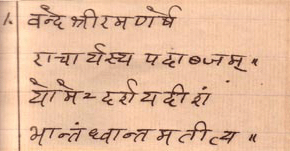
The great devotion of the seer-poet Ganapati Muni to his guru Sri Bhagavan Ramana Maharshi is well known. Bhagavan reciprocated the Muni's veneration by continuously shedding his grace on him and leading him to Self-abidance. The story of the genesis of Ganapati's "Forty Verses in Praise of Sri Ramana" (Sri Ramana Ctvarimśat) has been wonderfully described by Sri K. Natesan in 'The Mountain Path' (Jayanti Issue, 2000).
Recited daily before the Maharshi's tomb, this "Forty Verses" is a heartfelt outpouring of devotion from a disciple of the highest order to his guru Sri Ramana. It is hoped that this translation will enable devotees to gain a deeper insight into the Divine manifestation of the Maharshi as proclaimed by a unique seer of the 20th Century.
वन्दे श्रीरमणर्षेराचार्यस्य पदाब्जम् ।
यो मेऽदर्शयदीशं भान्तं ध्वान्तमतीत्य ॥
">vande śrīramaṇarṣerācāryasya padābjam |
yo me'darśayadīśaṃ bhāntaṃ dhvāntamatītya ||
I bow to the lotus feet of the spiritual teacher Rishi Sri Ramana, who showed me the Lord, shining, transcending darkness.
कथया निजया कलुषं हरता करुणानिधिनाऽरुणशैलजुषा ।
खगवाहनभाषिततत्त्वविदा वृषवाहनमौनरहस्यभृता ॥ १ ॥
kathayā nijayā kaluṣaṃ haratā karuṇānidhinā'ruṇaśailajuṣā |
khagavāhanabhāṣitatattvavidā vṛṣavāhanamaunarahasyabhṛtā || 1 ||
The story of his own life removes impurities. He is an ocean of compassion, taking delight in the red mountain (Arunachala). He knows the truth spoken by the bird-borne Vishnu, and bears the mystery of the silence of the bull-borne Śiva.
गणराण्मुखसूरिसभागुरुणा गुणसञ्चयरत्नमहोदधिना ।
घनगूढसहस्रकरेण यथा तनुकञ्चुकगुप्तमहामहसा ॥ २ ॥
">igaṇarāṇmukhasūrisabhāguruṇā guṇasañcayaratnamahodadhinā ।
ghanagūḍhasahasrakareṇa yathā tanukañcukaguptamahāmahasā ॥ 2 ॥
He is the guru of an assembly of learned men, beginning with Ganapati. He is a great repository of a wealth of virtues. Just as the thousand-rayed one (the sun) is hidden by a cloud, his true greatness is hidden by the garb of the body.
चतुरेण चलेन्द्रियनिग्रहणे पटुना परकीयगुणग्रहणे ।
छलवर्जितमौनसमाधिजुषा बलतर्जितभीकरकामरुषा ॥ ३ ॥
catureṇa calendriyanigrahaṇe paṭunā parakīyaguṇagrahaṇe । chalavarjitamaunasamādhijuṣā balatarjitabhīkarakāmaruṣā ॥ 3 ॥
Ingenious at defeating the roving senses, he is skillful in praising the merits of others. He delights in the peace of silence which is without deceit, and is the slayer of the strong,reviled, frightening passions.
जठरं समये परिपूरयता कठिनं व्रतमद्रितटे चरता ।
झषकेतनशस्त्रदुरापहृदा कृषिमात्मविबोधविधौ दधता ॥ ४ ॥
jaṭharaṃ samaye paripū-rayatā kaṭhinaṃ vratama-dritaṭe caratā ।
jhaṣake-tanaśastra-durāpahṛdā kṛṣimāt-mavibo-dhavidhau dadhatā ॥ 4 ॥
He fills his stomach only at the proper time, undertaking inflexible vows; he lives on the slope the mountain (Arunachala). His heart is unable to be won over by the arrows of Cupid (the God of Love). He is leading his devotees, and giving them the atma-vichara method for Self-Knowledge.
भवभीकरवारिनिधिं तरता करतामरसेन सुपात्रवता ।
स्वदृशाऽधिकशीतलकान्तिभृता भयमङ्घ्रिसरोजजुषां हरता ॥ ५ ॥
bhavabhī-karavā-rinidhiṃ taratā karatā-marasena supātravatā ।
svadṛśā'dhikaśī-talakāntibhṛtā bhayamaṅ-ghrisaro-jajuṣāṃ haratā ॥ 5 ॥
He has crossed the fear producing ocean of worldly life. He has hands as delicate as a lotus, which serve him as a bowl. His own gaze is unsurpassed in calmness and brightness, and he removes the fear of those who resort to his lotus feet.
नमतामतिभक्तिमतां निधिना घनतापविधूननसन्निधिना ।
यतिधर्मततिं परिपालयता परितश्च तमो विनिवारयता ॥ ६ ॥
namatāmatibhaktimatāṃ nidhinā ghanatāpavidhūnanasannidhinā ।
yatidharmatatiṃ paripālayatā paritaśca tamo vinivārayatā ॥ 6 ॥
He is a store-house of divine treasure for adoring devotees, his presence destroys dense misery. He maintains the duties of the ascetic, and he is preventing darkness all around.
फणिनायकवर्ण्यगुणौघभृता भणितीः प्रियसत्यहिता भणता ।
बहुमानवशादयता सुखितामवमानततेरविदूनवता ॥ ७ ॥
phaṇinā-yakavarṇya-guṇaughabhṛtā bhaṇitīḥ priyasat-yahitā bhaṇatā ।
bahumānavaśādayatā sukhitāmavamānatateravidūnavatā ॥ 7 ॥
Having a flood of virtues able to be described only by Sesha, the leader of the serpents, he speaks words that are pleasing, beneficial and true. He is not governed by that happiness which is influenced by respect and honor (from others), nor does he have distress due to dishonor (from others).
यतिनामधिपेन कुशाग्रलसन्मतिना धृतिना शितचित्तभुवा ।
लहरींप्रमदस्य सदावहता निहतान्तरशात्रवसंहतिना ॥ ८ ॥
yatinām-adhipena kuśā-gralasan-matinā dhṛtinā śitacit-tabhuvā ।
laharīṃ-pramadasya sadā-vahatā nihatān-taraśāt-ravasaṃ-hatinā ॥ 8 ॥
He is the Lord of Ascetics. With his sharp and brilliant intellect, he has with firmness destroyed the ego. He is always bearing a wave of joy, and he has killed the array of inner enemies (the six passions).
भगवत्पदमन्यजनासुलभं स्वगुणैरधिगत्य परं जयता ।
ममतारहितेन हितेन सतां निहितेन गणप्रभुणा हृदये ॥ ९ ॥
bhagavat-padaman-yajanā-sulabhaṃ svaguṇai-radhigatya paraṃ jayatā ।
mamatā-rahitena hitena satāṃ nihitena gaṇa-prabhuṇā hṛdaye ॥ 9 ॥
Having transcended all by his own merits, he wins the supreme feet of the Lord, (which are) not easily accessible by others. He is free from the feeling of "mine" and is the friend of the virtuous. He is treasured at heart by the Lord of the Gunas, Ganapati.
धरणीधरजाङ्कमपि त्यजता धरणीतलवासितमोधुतये ।
नरवेषभृता नगरन्ध्रकृता रमणेन सनाथमिदं भुवनम् ॥ १० ॥
dharaṇīdharajāṅkamapi tyajatā dharaṇītalavāsitamodhutaye ।
naraveṣabhṛtā nagarandhrakṛtā ramaṇena sanāthamidaṃ bhuvanam ॥ 10 ॥
Abandoning the lap of his Mother Parvati, he dwells on earth for the removal of darkness. He is Skanda, having the appearance of a man. This world has found a Lord in Ramana!
परदेशिनेव धवलेन वाससः शकलेन वेष्टितकटीविशोभिना ।
वरदेशिकेन नरवेषधारिणा शिखिवाहनेन गुरुमज्जगद्भवेत् ॥ ११ ॥
paradeśineva dhavalena vāsasaḥ śakalena veṣṭitakaṭīviśobhinā ।
varadeśikena naraveṣadhāriṇā śikhivāhanena gurumajjagadbhavet ॥ 11 ॥
He is an ascetic, wearing only a white piece of cloth adorning his buttocks. He is the Supreme guru; he is the peacock-mounted Skanda, wearing the guise of a man. In him the world has a Master!
अतीतगुणजालाय नैष्ठिकब्रह्मचारिणे ।
नमो मायामनुष्याय गुरवे तारकारये ॥ १२ ॥
atītaguṇajālāya naiṣṭhikabrahmacāriṇe ।
namo māyāmanuṣyāya gurave tārakāraye ॥ 12 ॥
Prostrations to him who has transcended the multitude of gunas and is the perfect brahmachari! To him who is mortal by the workings of Maya, to the Guru, the enemy of Taraka (Skanda), prostrations!
यानायात्र न केकिनां कुलपतिः स्नानाय न स्वर्णदी
पानाय क्षितिभृन्महेन्द्रदुहितुर्नस्तन्यदुग्धामृतम् ।
गानाय प्रमथेश्वरास्सवयसो नैवात्र वीणाभृतो
वासं शोणगिरौ करोषि भगवन् क्रौञ्चाद्रिभेत्तः कुतः ॥ १३ ॥
yānāyātra na kekināṃ kulapatiḥ snānāya na svarṇadī
pānāya kṣitibhṛnmahendraduhiturnastanyadugdhāmṛtam ।
gānāya pramatheśvarāssavayaso naivātra vīṇābhṛto
vāsaṃ śoṇagirau karoṣi bhagavan krauñcādribhettaḥ kutaḥ ॥ 13 ॥
Here there is no king of the peacocks for riding, nor a celestial river for bathing, nor is there the nectar of milk from the breast of the daughter of the Mountain-Lord (Parvati). The divine veena-playing attendants of Shiva, who are your contemporaries, are not even here to sing to thee! How is it then O Bhagavan, Pounder of Krauncha hill, that you make your dwelling upon Arunachala?
एकं वक्त्रमुमाङ्कवासविरहः पाणौ न शक्त्यायुधं
मर्त्यत्वं न पताकिनी च पृतना पार्श्वद्वये नाकिनाम् ।
वेषोऽलं पुनरेष मुग्धनयनप्रच्छादने भूजुषा-
मन्तर्धानमुपैषि तारकरिपो क्व स्तन्यदायादतः ॥ १४ ॥
ekaṃ vaktramumāṅkavāsavirahaḥ pāṇau na śaktyāyudhaṃ
martyatvaṃ na patākinī ca pṛtanā pārśvadvaye nākinām ।
veṣo'laṃ punareṣa mugdhanayanapracchādane bhūjuṣā-
mantardhānamupaiṣi tārakaripo kva stanyadāyādataḥ ॥ 14 ॥
You have one face; you are separated from Mother Uma's lap! You do not have a spear in your hand. You are mortal, and there are no flag bearing armies of the gods on either side! This disguise is enough to cover the eyes of those unwary ones who delight in the world, but how will you, O enemy of Taraka (Skanda), escape the notice your brother (Ganapati)?
केचिद्योगविदां पुरःसर इति प्रज्ञानिबुद्ध्या परे
साधुः कश्चिदितीतरे गुरुधिया केऽप्यङ्घ्रिपद्मं तव ।
सेवन्ते रमणाभिधानमनुजक्षेमाय जातक्षितौ
द्वित्रास्त्वां गिरिजाङ्कपीठनिलयं जानन्ति देवं गुहम् ॥ १५ ॥
kecidyogavidāṃ puraḥsara iti prajñānibuddhyā pare
sādhuḥ kaściditītare gurudhiyā ke'pyaṅghripadmaṃ tava ।
sevante ramaṇā-bhidhā-namanujakṣe-māya jātakṣitau
dvitrāstvāṃ girijāṅkapīṭhanilayaṃ jānanti devaṃ guham ॥ 15 ॥
Some know you as "the foremost of the knowers of yoga", others as "Gnani", some others as "Sadhu", while some thinking of you as "Guru" worship your lotus feet. Ramana, born on earth for the peace of men, (only) two or three know you as Lord Skanda, resting on the lap of Girija, the Divine Mother.
ओङ्कारार्थमुपादिशो भगवते वाणीमनोहारिणे
तातायाप्युपदेष्टुमुद्यतमभूत् किञ्चित्त्वदीयं मुखम् ।
ज्येष्ठस्याद्य सहोदरस्य गुरुतां प्राप्तोऽसि धीगौरवात्
सुब्रह्मण्य कनिष्ठतामपि गतः सर्वाधिकस्त्वं गुणैः ॥ १६ ॥
oṅkārārtha-mupādiśo bhagavate vāṇīmano-hāriṇe
tātāyāp-yupadeṣṭu-mudyatamabhūt kiñcittvadīyaṃ mukham ।
jyeṣṭhas-yādya saho-darasya gurutāṃ prāpto'si dhīgauravāt
subrahmaṇya kaniṣṭha-tāmapi gataḥ sarvā-dhikastvaṃ guṇaiḥ ॥ 16 ॥
OM was explained (by you) to Lord Brahma. (Opening) your mouth, you had undertaken to explain something to even your father (Shiva).O Subrahmanya, even though you are the youngest, by your merits you have become greater than all! By the weight of your wisdom, you have obtained the state of guru to your eldest brother (Ganapati.)
यत्पूर्वं श्रुतिपारदर्शिधिषणो द्वैपायनोऽध्यारुहत्
पश्चाद्बोधकलाविधूततिमिरः शङ्कापहश्शङ्करः ।
तत्सम्प्रत्यखिलावनीतलजुषामाचार्यसिंहासनं
देव त्वां प्रतिवीक्षते नरतनो गीर्वाणसेनापते ॥ १७ ॥
yatpūrvaṃ śrutipāra-darśidhiṣaṇo dvaipāyano'dhyāruhat
paścād-bodhakalā-vidhūtatimiraḥ śaṅkā-pahaśśaṅkaraḥ ।
tatsam-pratyakhilā-vanītala-juṣāmā-cārya-siṃhāsanaṃ
deva tvāṃ prativīk-ṣate naratano gīrvāṇa-senāpate ॥ 17 ॥
That Lion's seat of honor which was previously mounted by the wise Vyasa, who saw the fullest extent of the Vedas, was afterwards occupied by fear destroying Sankara, who with a single portion of his knowledge dispelled the darkness (of ignorance). Now that throne of Acharya (to save) those who are suffering in the world awaits thee, O Lord embodied as man, O Army Chief of the Gods (Skanda)!
धर्मे नाशमुपागते त्रिभुवने पर्याकुले पापतः
प्रज्ञाने परितो गिरां पथि मुधा सञ्चार्यमाणे जनैः ।
सद्भावे परमेश्वरस्य च पितुः सन्देहडोलां गते
द्वीपः कैतवमर्त्यकेकितुरग त्वामन्तरा कस्सताम् ॥ १८ ॥
dharme nāśamupāgate tribhuvane paryākule pāpataḥ
prajñāne parito girāṃ pathi mudhā sañcāryamāṇe janaiḥ ।
sadbhāve parameśvarasya ca pituḥ sandehaḍolāṃ gate
dvīpaḥ kaitavamartyakekituraga tvāmantarā kassatām ॥ 18 ॥
When dharma has been destroyed, when the three worlds are bewildered by wrong doing, when scholars everywhere declare words (polemics) as true knowledge, when the true existence of the supreme Lord the Father is doubted, who but you is the refuge of the good, O peacock-mounted one, disguised as a man (Skanda)?
वैराग्यं तव वित्तमस्तु करुणां शक्नोषि हातुं कथं
दूश्यस्तेऽस्तु समुद्यमः पितृपदध्यानं च किं तादृशम् ।
कामस्तेऽस्तु विगर्हितो विनमतां रक्षा च किं गर्हिता
स्कन्दच्छद्ममनुष्य किं नु समयं कञ्चित्समुद्वीक्षसे ॥ १९ ॥
vairāgyaṃ tava vittamastu karuṇāṃ śaknoṣi hātuṃ kathaṃ
dūśyaste'stu samudyamaḥ pitṛpadadhyānaṃ ca kiṃ tādṛśam ।
kāmaste'stu vigarhito vinamatāṃ rakṣā ca kiṃ garhitā
skandacchadmamanuṣya kiṃ nu samayaṃ kañcitsamudvīkṣase ॥ 19 ॥
Dispassion may be your weatlh, but how can you forsake compassion? Great effort may seem reprehensibile, but what of meditation on the feet of the Father? Desire may be prohibited by you, but is protection denied to your devotees? O Skanda, in the disguise of a man, do you await a proper opportunity?
दूरं याहि कुवाद धर्मवृष ते नेतः परं पङ्गुता
दुर्भ्रान्ते भुवनं जहीहि परितो वर्धस्व संसत्सताम् ।
सोदर्येण समन्वितो भुवमिमां प्राप्तो गुरुग्रामणीः
शूरान्तःपुरनेत्रविभ्रमहरो देवो भवानीसुतः ॥ २० ॥
dūraṃ yāhi kuvāda dharmavṛṣa te netaḥ paraṃ paṅgutā
durbhrānte bhuvanaṃ jahīhi parito vardhasva saṃsatsatām ।
sodaryeṇa samanvito bhuvamimāṃ prāpto gurugrāmaṇīḥ
śūrāntaḥpuranetravibhramaharo devo bhavānīsutaḥ ॥ 20 ॥
O detraction, go far away! Bull of dharma, henceforth you will not be lame! Leave the world, O confusion. May association with the virtuous increase everywhere! In association with his brother (Ganapati), this world has obtained the chief of gurus (Ramana). He is the destroyer of the demon Sura and of the amorous passions, Lord, son of the Divine Mother Parvati.
जन्मस्थानमवाप्य गुप्तमहमो यो भेदमाधूतवान्
भूतानां चरतां पृथग्विधधियामात्मैव यो भासते ।
देहं सर्वमिदं जगच्च विभवादाक्रम्य यः प्रोल्लस-
त्येकस्तं गुरुमूर्तिमानमत रे लम्बोदरभ्रातरम् ॥ २१ ॥
janmasthānamavāpya guptamahamo yo bhedamādhūtavān
bhūtānāṃ caratāṃ pṛthagvidhadhiyāmātmaiva yo bhāsate ।
dehaṃ sarvamidaṃ jagacca vibhavādākramya yaḥ prollasa-
tyekastaṃ gurumūrtimānamata re lambodarabhrātaram ॥ 21 ॥
He who has shaken off all duality, having obtained the great secret of the place of birth (of the ‘I - thought’), and who shines as the very Self in the various intellects of sentient beings, he who having pervaded the world and all bodies, shines forth with his glory, oh men! salute that one, in the form of the Guru, the brother of Ganapati!
अन्तर्यश्च बहिर्विधूततिमिरं ज्योतिर्मयं शाश्वतं
स्थानं प्राप्य विराजते विनमतामज्ञानमुन्मूलयन् ।
पश्यन्विश्वमपीदमुल्लसति यो विश्वस्य पारे पर-
स्तस्मै श्रीरमणाय लोकगुरवे शोकस्य हन्त्रे नमः ॥ २२ ॥
antaryaśca bahirvidhūtatimiraṃ jyotirmayaṃ śāśvataṃ
sthānaṃ prāpya virājate vinamatāmajñānamunmūlayan ।
paśyanviśvamapīdamullasati yo viśvasya pāre para-
stasmai śrīramaṇāya lokagurave śokasya hantre namaḥ ॥ 22 ॥
He who removes the darkness from within and without, having obtained that eternal state made of light, who uproots the ignorance of his devotees, who though seeing and sporting in this universe is beyond the universe, to him, Sri Ramana, the Guru of the world and destroyer of sorrow, salutations!
प्रसरतादितः शुभविलोकितम् ।
रमण ते सकृत्फलतु मे कृतम् ॥ २३ ॥
prasaratāditaḥ śubhavilokitam ।
ramaṇa te sakṛtphalatu me kṛtam ॥ 23 ॥
O Ramana, now, by the flowing forth of your splendid gaze, may I at once be blessed !
रमण जन्मिनामयि भवान् गुरुः ।
अभिद आशयस्तव महानुरुः ॥ २४ ॥
ramaṇa janmināmayi bhavān guruḥ ।
abhida āśayastava mahānuruḥ ॥ 24 ॥
O Ramana, you are the Guru of men. Infinite is your heart, in which there is no differentiation.
जगदहं परः स्फुरति मे त्रयम् ।
सदभिदं गिरा तव विसंशयम् ॥ २५ ॥
jagadahaṃ paraḥ sphurati me trayam ।
sadabhidaṃ girā tava visaṃśayam ॥ 25 ॥
Your word destroys for me the triad of ‘world’, ‘I’, and ‘the Supreme’, (and there remains) the one reality without differentiation, without doubt.
त्वदुपदेशतो गलति संविदा ।
मयि निरन्यया सदहमोर्भिदा ॥ २६ ॥
tvadupadeśato galati saṃvidā ।
mayi niranyayā sadahamorbhidā ॥ 26 ॥
From your teaching, by knowledge inseparable from me, the difference between the reality and the ego is lost.
अहमि योऽन्तरस्तममलं हृदि ।
अनुभवेम भोस्तव कृपा यदि ॥ २७ ॥
ahami yo'ntarastamamalaṃ hṛdi ।
anubhave-mabho-stava kṛpā yadi ॥ 27 ॥
Oh (Ramana), if your grace (extends to us), we could experience the Supreme Self in the pure heart, hidden within the ego.
न करुणा गुणस्तव विदां पते ।
हृदयतेजसः सहजभैवते ॥ २८ ॥
na karuṇā guṇastava vidāṃ pate ।
hṛdayatejasaḥ sahajabhaivate ॥ 28 ॥
Oh Lord of the wise! Compassion is not just a quality of yours. It is natural for you, as the effulgence of your Heart.
तव तनुर्ज्वलत्यनघ विद्युता ।
तव दृगातता लसति भास्वता ॥ २९ ॥
tava tanurjvalatyanagha vidyutā ।
tava dṛgātatā lasati bhāsvatā ॥ 29 ॥
Oh spotless one, your body blazes like lightning. Bright and pervasive is your look.
कबलितं मनस्तव विभो हृदा ।
त्वमसि सन्ततं विलसितो मुदा ॥ ३० ॥
kabalitaṃ manastava vibho hṛdā ।
tvamasi santataṃ vilasito mudā ॥ 30 ॥
Your mind has been dissolved by the heart, oh Lord ! You are eternally shining with bliss.
भुवनभूपतेर्भगवतः कृते ।
भवसि पाचको यमवतां पते ॥ ३१ ॥
bhuvanabhūpaterbhagavataḥ kṛte ।
bhavasi pācako yamavatāṃ pate ॥ 31 ॥
For the Universal Lord of mankind, you are the cook, oh Lord of the self-controlled!
नरपशूनिमानहमि ताडयन् ।
परशिवौदनं वितनुषे पचन् ॥ ३२ ॥
narapaśūnimānahami tāḍayan ।
paraśivaudanaṃ vitanuṣe pacan ॥ 32 ॥
Slaying the ego of these man-beasts (humans steeped in ignorance), and cooking them, you prepare food for the supreme Shiva.
तिमिराणि न केवलं वचोभिः
करुणापाङ्गविलोकितैश्च नॄणाम् ।
हृदये प्रसरन्ति मर्दयन्तं
भगवन्तं रमणं गुरुं नमामि ॥ ३३ ॥
timirāṇi na kevalaṃ vacobhiḥ
karuṇāpāṅgavilokitaiśca nṝṇām ।
hṛdaye prasaranti mardayantaṃ
bhagavantaṃ ramaṇaṃ guruṃ namāmi ॥ 33 ॥
I bow to the guru Bhagavan Ramana, who destroys the darkness prevailing in the hearts of men, not only by his words, but by his sidelong glances of grace and compassion.
भवजलनिधिं गाहं गाहं चिरादलसालसान्
पदजलरुहद्वन्द्वद्वीपं श्रितांस्तव सम्प्रति ।
रमणभगवन् कल्याणानां निकेतन पाहि नः
सदय दयया सिक्तैर्भक्तानपाङ्गविलोकितैः ॥ ३४ ॥
bhavajalanidhiṃ gāhaṃ gāhaṃ cirādalasālasān
padajalaruhadvandvadvīpaṃ śritāṃstava samprati ।
ramaṇabhagavan kalyāṇānāṃ niketana pāhi naḥ
sadaya dayayā siktairbhaktānapāṅgavilokitaiḥ ॥ 34 ॥
O Bhagavan Ramana, diving again and again into the ocean of the world, we are extremely tired. Now, at this moment, we approach the island of your lotus feet for refuge. You, the merciful abode of virtues, please protect us with the grace that pours out to your devotees from the glances of your eyes.
यदि न जननी स्तन्यं दद्याच्छिशोर्बत का गतिः
यदि पशुपतिः क्रोधं कुर्यात्पशोरवनं कुतः ।
यदि पदजुषामाचार्य त्वं निहंसि न संशयं
भ्रमशतपराभूता एते तरन्तु भवं कथम् ॥ ३५ ॥
yadi na jananī stanyaṃ dadyācchiśorbata kā gatiḥ
yadi paśupatiḥ krodhaṃ kuryātpaśoravanaṃ kutaḥ ।
yadi padajuṣāmācārya tvaṃ nihaṃsi na saṃśayaṃ
bhramaśataparābhūtā ete tarantu bhavaṃ katham ॥ 35 ॥
If the mother would not give milk, alas, what would be the fate of the child? If the cowherd would be angry, where would be protection for the cow? If you Teacher, do not dispel the doubts of those resorting to your feet, how will those overcome by multiple confusions cross over this worldy existence?
विशदहसिते पूर्णा शान्तिः सुधाकरसोदरे
स्थिरपृथुलयोः पूर्णा शक्तिर्दृशोरतुलार्चिषोः ।
हृदयकमले नित्या निष्ठा बहिश्च सरत्प्रभे
रमणभगवन् को वा मौनी समस्तव भूतले ॥ ३६ ॥
viśadahasite pūrṇā śāntiḥ sudhākarasodare
sthirapṛthulayoḥ pūrṇā śaktirdṛśoratulārciṣoḥ ।
hṛdayakamale nityā niṣṭhā bahiśca saratprabhe
ramaṇabhagavan ko vā maunī samastava bhūtale ॥ 36 ॥
In your moon-like splendid smile peace reigns. Your large broad eyes are steady and unequalled in luster. You are eternally abiding in the lotus of the heart with your splendor outwardly flowing. Oh Bhagavan Ramana! What Sage on earth is possibly your equal?
देवी शक्तिरियं दृशोः श्रितजनध्वान्तक्षयाधायिनी
देवी श्रीरियमम्बुजाक्षमहिषी वक्त्रो सहस्रच्छदे ।
देवी ब्रह्मवधूरियं विजयते व्याहारगूढा परा
विश्वाचार्य महानुभाव रमण त्वां स्तौतु कः प्राकृतः ॥ ३७ ॥
devī śaktiriyaṃ dṛśoḥ śritajanadhvāntakṣayādhāyinī
devī śrīriyamambujākṣamahiṣī vaktro sahasracchade ।
devī brahmavadhūriyaṃ vijayate vyāhāragūḍhā parā
viśvācārya mahānubhāva ramaṇa tvāṃ stautu kaḥ prākṛtaḥ ॥ 37 ॥
In your eyes is Devi Shakti, effecting the end of man’s ignorance. In your face of a thousand expres-sions is Lakshmi, the wife of the lotus-eyed Vishnu. Concealed in your utterance is victory-causing Saraswati, supreme. Oh universal teacher Ramana of great experience (of Being)! What ordinary man could praise you?
सोऽहं जातो रमणभगवन् पादयोस्ते दविष्ठो
यद्यप्यस्मिन्महति समये शक्तिलास्ये प्रवृत्ते ।
सूर्यस्येव ज्वलितमहसो दूरगां नाथ शक्तिं
विश्वस्याग्य्रां तव मम मनो वीतदुःखं तथापि ॥ ३८ ॥
so'haṃ jāto ramaṇabhagavan pādayoste daviṣṭho
yadyapyasminmahati samaye śaktilāsye pravṛtte ।
sūryasyeva jvalitamahaso dūragāṃ nātha śaktiṃ
viśvasyāgyrāṃ tava mama mano vītaduḥkhaṃ tathāpi ॥ 38 ॥
Even though I myself am very far away from your holy feet Oh Bhagavan Ramana, when on this great occasion the dance of Shakti commences, the knowledge that your power, blazing as the sun and foremost in the universe, is not remote from me, has caused the sorrow of my mind to vanish.
तद्भागधेयमसमानमनेकमौनि-
वासार्जितं क्षितिभृतः खलु लोहितस्य ।
अङ्गीचकार भगवान् रमणो महर्षि-
रन्येषु सत्सु यदिमं बहुषु स्थलेषु ॥ ३९ ॥
tadbhāgadheyamasamānamanekamauni-
vāsārjitaṃ kṣitibhṛtaḥ khalu lohitasya ।
aṅgīcakāra bhagavān ramaṇo maharṣi-
ranyeṣu satsu yadimaṃ bahuṣu sthaleṣu ॥ 39 ॥
Verily, that good fortune acquired by the red colored mountain (Arunachala), gained by the dwelling there of many sages, is now unequalled, because Bhagavan Ramana Maharshi has chosen this (dwelling) from among other holy places.
शान्तिर्नितान्तमधिका परमास्य शक्ति-
र्वैराग्यमद्भुततमं करुणा तु सान्द्रा ।
ज्ञानं निरस्तकुहनं मधुरं च वॄत्तं
नॄणां निदर्शनमयं रमणो महर्षिः ॥ ४० ॥
śāntirnitāntamadhikā paramāsya śakti-
rvairāgyamadbhutatamaṃ karuṇā tu sāndrā ।
jñānaṃ nirastakuhanaṃ madhuraṃ ca vṝttaṃ
nṝṇāṃ nidarśanamayaṃ ramaṇo maharṣiḥ ॥ 40 ॥
For his extraordinary peace, supreme power, most extraordinary dispassion, intense compassion, for knowledge that has banished hypocrisy and for his sweet conduct, Ramana Maharshi is indicated (as the ideal) for mankind.
नारसिंहिर्गणपतिर्वासिष्ठो रमणं गुरुम् ।
चत्वारिंशन्मितैः पद्यैः स्कन्दांशं स्तुतवानृषिम्  ॥
nārasiṃhirgaṇapatirvāsiṣṭho ramaṇaṃ gurum ।
catvāriṃśanmitaiḥ padyaiḥ skandāṃśaṃ stutavānṛṣim ॥
Vasiṣṭha Ganapati, son of Narasimha, has praised with forty measured verses the Rishi, the incarnation of Skanda, Guru Ramana.
Om tat sat
